
Our Impact: Building Towards Better.

We prioritize social, fiscal, and environmental sustainability in everything we do. From supply chain partnerships to manufacturing practices, we use transparency as a way to hold ourselves accountable. In an industry that unfortunately harbors widespread inequity, we are committed to make coffee a force for good by acting responsibly and working collaboratively.
We Value + Invest In Coffee And The People Who Grow It.

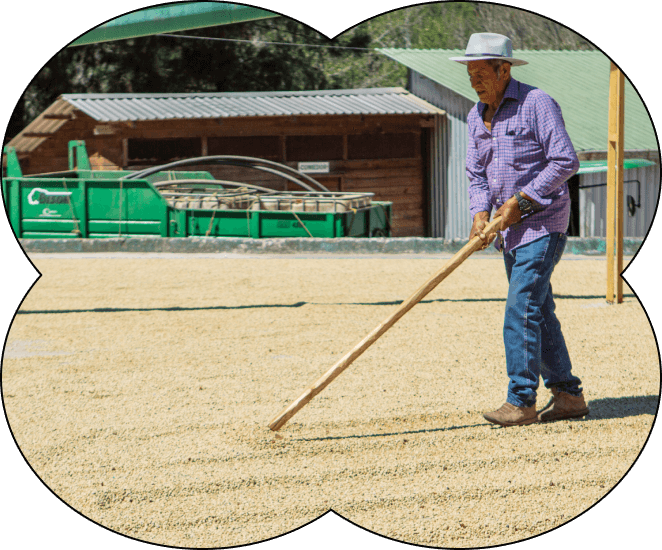
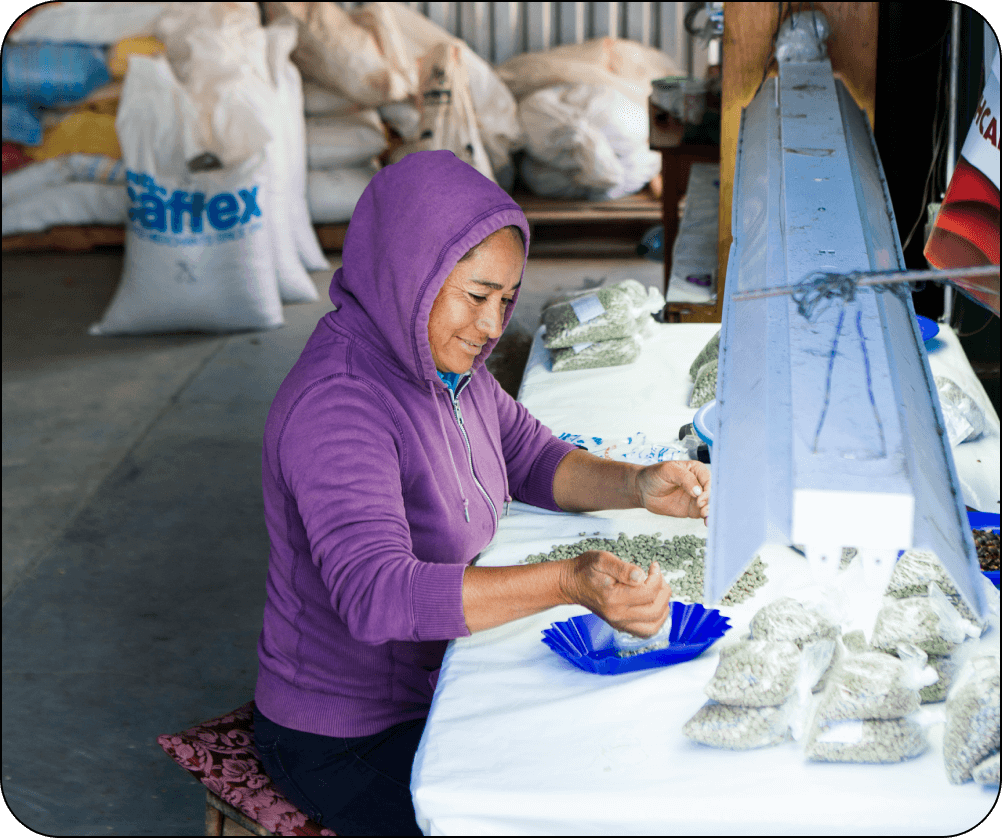
We Pay Premium Prices.
Because we believe everyone deserves to make a living wage, we pay above the “market price” for all of our coffees.
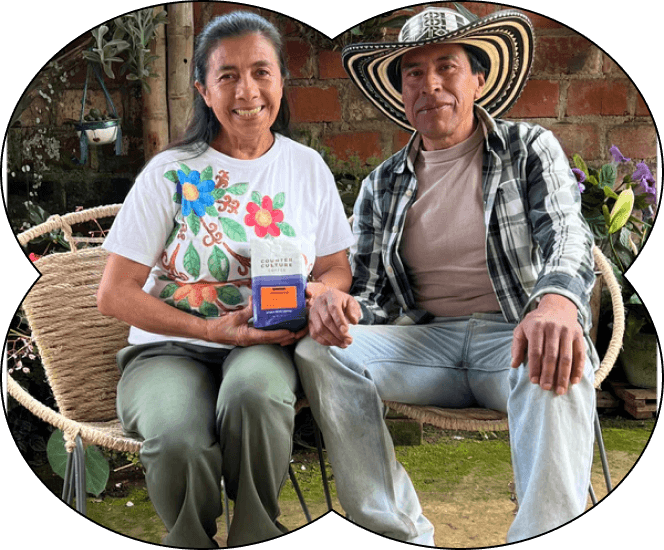
We Build Long-Term Relationships.
In 2024, 85% of our coffee came from producers we worked with for five or more years. These lasting partnerships allow for collaboration and experimentation.
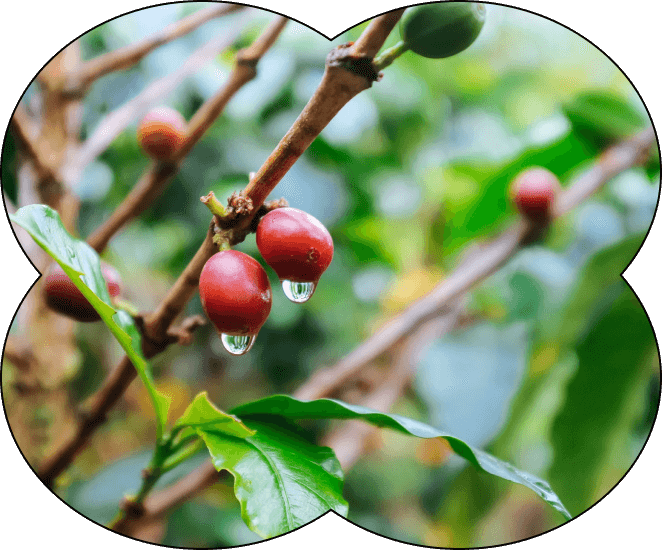
We Forward Contract.
We contract as much coffee as possible before its delivery. This provides us and our partners stability and transparency to plan operational and quality investments.
What we pay compared to others
*PRICE PER LB IN 2024

COUNTER CULTURE $3.42*

Fair Trade Min $2.30*

C Market $2.08*
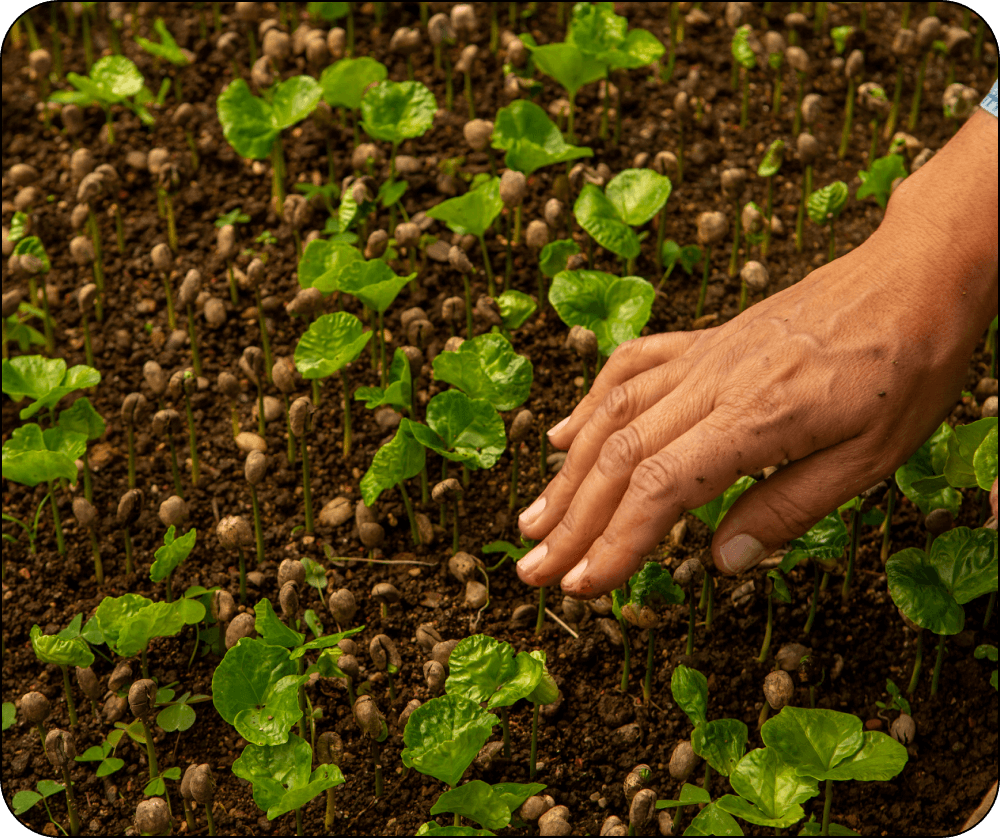
Truly Transparent

Since 2009, our annual Transparency Reports have outlined our approach to green coffee purchasing, addressing persistently low prices in the coffee industry. We believe that paying more for green coffee is an investment in the long-term sustainability of specialty coffee and supports every partner in our supply chain.
On top of the information available in our Transparency Report, we publish data about every coffee we buy. The data combines all contracts from the same organization in a given year to provide a concise snapshot of our purchasing footprint.

CENFROCAFE
Peru
-
Cafenor
El Salvador
-
Organica
Colombia
-
Jabanto
Ethiopia
-
Toldopamba
Colombia
-
CODECH
Guatemala
-
Ikawa House
Rwanda
-
Kushikamana
Kenya
-
Valle Inca
Peru
-
Finca Pashapa
Macala, Honduras
-
CENFROCAFE
Peru
-
Cafenor
El Salvador
-
Organica
Colombia
-
Jabanto
Ethiopia
-
Toldopamba
Colombia
-
CODECH
Guatemala
-
Ikawa House
Rwanda
-
Kushikamana
Kenya
-
Valle Inca
Peru
-
Finca Pashapa
Macala, Honduras



Investing in Sustainability
Through our giving program Two for the Future, we set aside two cents for every pound of coffee we sell to fund our sustainability initiatives: Seeds + Bloom.
From Seed
Seeds Fund
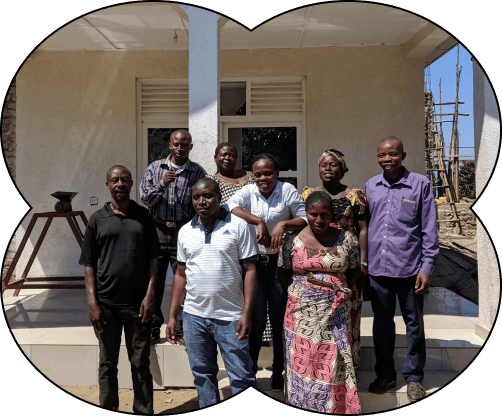
Since 2009, Seeds has offered financial grants to producers and producer organizations to implement sustainability projects they identify as beneficial. To date, we've allocated over $580,000 to Seeds projects.

To Cup
Bloom Fund
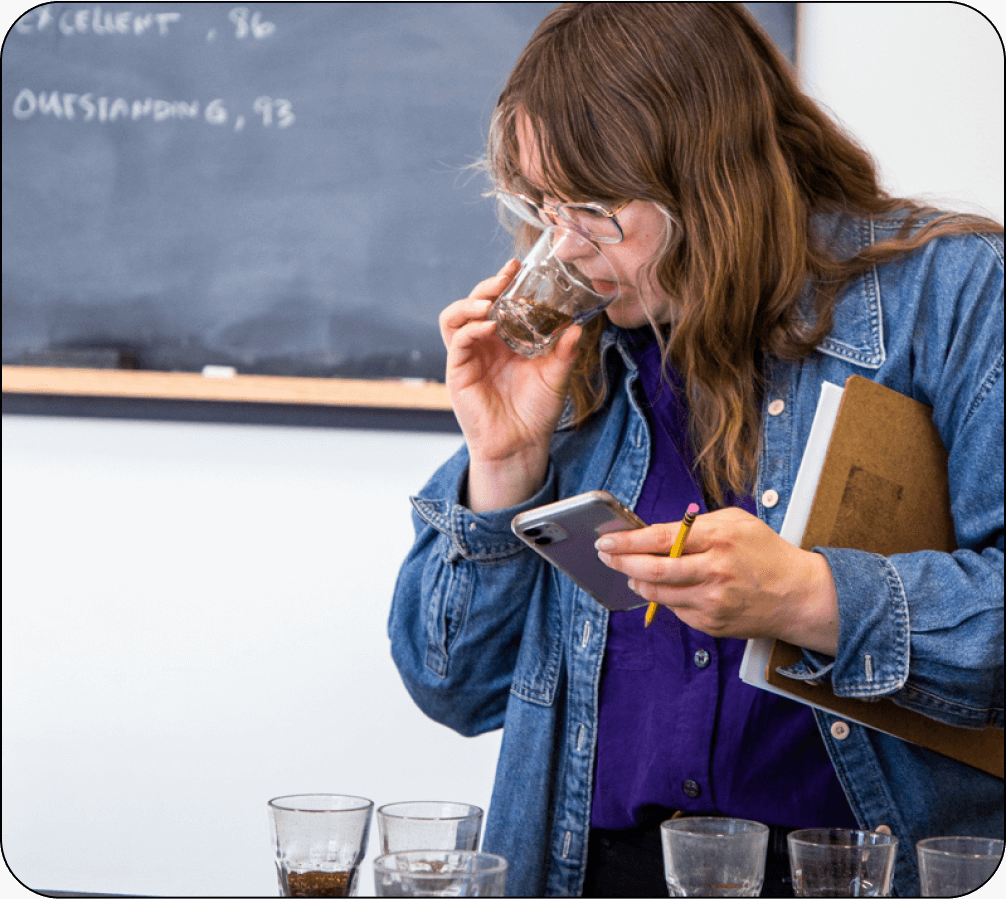
Started in 2023 and modeled after Seeds, Bloom supports sustainability projects at the cafe level.


In 2020, we became a certified B Corp. B Lab, like us, believes that business can be used as a force for good. In 2024, our score went up significantly to 91.9!
As a B Corp, Counter Culture Coffee does not engage in political lobbying, contribute to political action committees (PACs), or employ outside lobbyists.
Fueling The Future Of Coffee
World Coffee Research
We support World Coffee Research, an organization working globally to increase the climate resistance of the coffee plant and the profitability of the people who grow it. Beyond annual contributions to fund their organization, we’ve served as advisors and opened our labs to help execute important projects, bolstering their important work to strengthen the coffee sector.
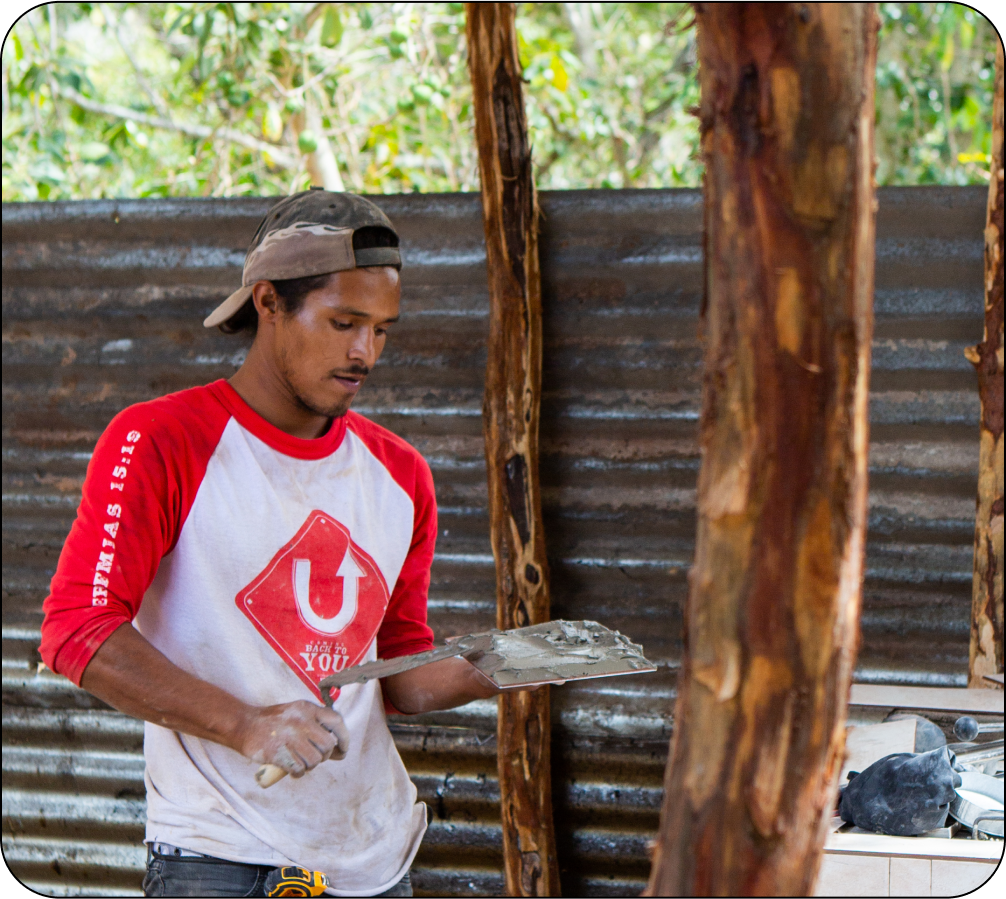
We aim to reduce our impact on the environment and support the coffee growing communities that bear the brunt of a changing climate. We offset what environmental impact we cannot mitigate by partnering with Trees, Water & People (TWP). TWP implement clean cookstoves in rural Honduran households — creating jobs in rural communities and reducing both indoor and outdoor pollution.
