


Durham, NC
HQ, Training Center & Roastery

#62Employees


Counter Culture Coffee is a business that buys coffee, roasts it, and sells it for a profit, but there is so much more to it than that. Our annual transparency report is an attempt to describe the “so much more than that.”
It exists to show how our values of quality, sustainability, and education guide every aspect of our business. We believe that by sourcing coffee thoughtfully, supporting the well-being
of our planet and employees, truly partnering with farmers, and making coffee education accessible, we are doing more than selling coffee.
We are working to help build a better and more equitable coffee industry for everyone connected to it.
We buy coffee, roast it, and sell it—but that's only part of the story.
This report explores the people, partnerships, and impact behind every cup.
We source high-quality coffee from partners we have worked with, in many cases, for decades, paying good prices for the quality and origin within the coffee market.

Today, we work with 55 partners, many of them for over a decade—and nearly a third for more than 15 years.
Our Coffee Department works directly with farmer organizations to select and source coffee for nearly 100 menu items each year. Agreements are often made months before coffees arrive. Coffee, like all agricultural products, carries inherent uncertainty due to climate, logistics, and market volatility.
6,857,015 pounds of green coffee were purchased, while roasting operations produced 4,594,276 pounds in Durham and 1,029,751 pounds in Emeryville.


We believe this relationship-driven sourcing model is more sustainable than opportunistic purchasing based on availability because it provides suppliers with predictability as they plan investments and support their communities in remote regions where coffee is grown.
At Counter Culture, operating equitably has been our baseline for three decades. We're proud to be B Corp Certified, proving that stable, long-term systems create a better cup of coffee for you—and a better future for our partners. We are in the process of recertifying to the new standards for our 2026 renewal.
The FOB price for green coffee is a tricky way to communicate value. It reflects only the cost of the coffee at the point of export, before expenses like freight, financing, and other operating costs are added. On its own, it doesn't indicate whether that price is high or low.
That's why we share other benchmarks (also FOB) to help contextualize how our prices compare to coffee traded during the same period.
Our prices are often higher than these benchmarks because we buy specialty coffee from producers who invest in quality and sustainability, while operating within a competitive market. In that sense, our prices reflect not just the coffee itself, but also the practices behind it and the broader system around it.
In 2025, weighted average FOB prices reached $4.13 per pound for year-round components, $5.04 per pound for single-origin coffees, and $4.18 per pound across all coffees, reflecting continued investment in quality-focused and relationship-driven sourcing.

Our
Price
Our Price
*All prices listed are FOB (Free on Board)
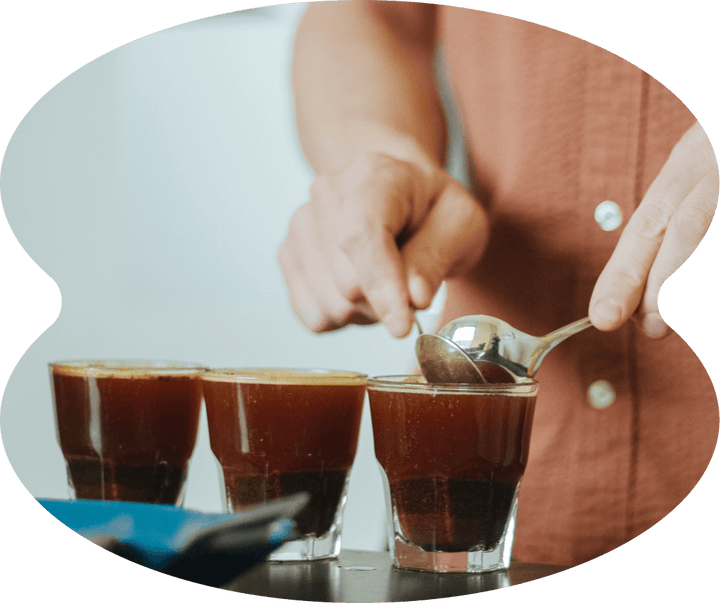
We processed a total of 921 coffee samples over the year, reflecting the breadth of our sourcing efforts. From these, we selected and purchased 71%, maintaining a strong focus on quality and consistency. Each sample underwent rigorous evaluation to meet our standards.
As these green coffee costs translate into sales prices, we work to strike a balance—paying producers fairly while still offering strong value to our customers. In 2025, when coffee costs rose sharply, we absorbed costs where we could, improved efficiency across our operations, and focused on helping our customers get the most value from our coffees.
We want our coffee to remain accessible while continuing to offer a high-quality product that supports long-term resilience across the supply chain.
In 2025, 78% of our coffee came from partners we've worked with for more than five years, and 30% came from farms we've partnered with for over 15 years—a reflection of the relationships and shared value we've built over time.
That same trust shows up on the customer side. We retained 79% of our wholesale partners, evidence of the strong value we bring to entrepreneurs and operators across the country, and 70% of our direct-to-consumer (DTC) customers made repeat purchases.
We'll continue working to show our customers that when they buy our coffee, they're investing in something with real value.
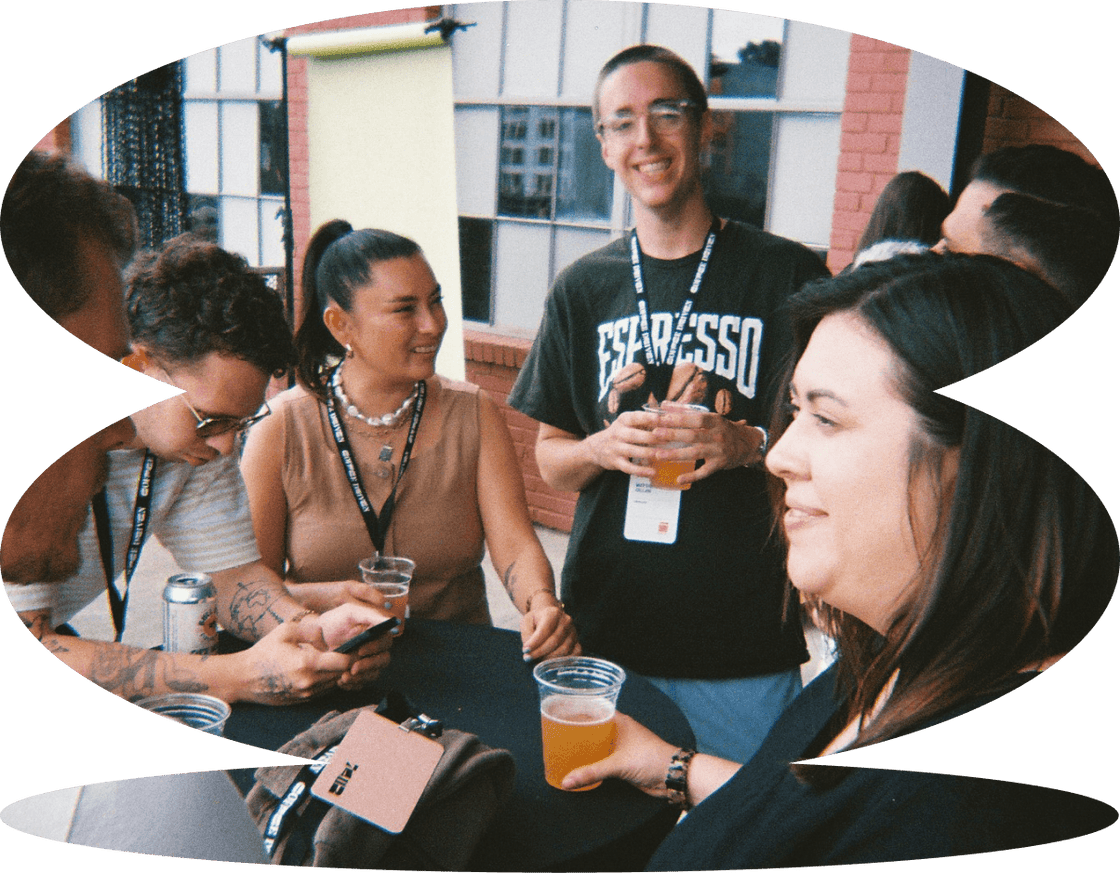
Equally important to what we do is who we are as an organization and how we support the people who make our work possible.

Our employee tenure ranges from less than one year to 18 years, reflecting both fresh perspectives and long-term institutional knowledge.
We provide benefits that support employee stability, health, and growth.
These include paid time off and parental leave, comprehensive and affordable health coverage, paid volunteer time, an annual $1,200 sustainability fund for each employee called the Sprout Fund, 401(k) matching, profit sharing, incentive stock options, complimentary coffee, financial planning services, and wellness programming.
We believe that supporting employees holistically allows them to bring greater care and creativity to their work, which ultimately strengthens our business.
We maintained a retention rate of 77% during the reporting period, with a turnover rate of 25%.
 10+ yrswith Counter Culture5-10 yrswith Counter Culture3-5 yrswith Counter Culture1-3 yrswith Counter Culture0-1 yrwith Counter Culture
13
23
16
33
21
10+ yrswith Counter Culture5-10 yrswith Counter Culture3-5 yrswith Counter Culture1-3 yrswith Counter Culture0-1 yrwith Counter Culture
13
23
16
33
21

 3%People in their 60s
 15%People in their 20s
 7%People in their 50s
 27%People in their 40s
 48%People In Their 30s
Counter Culture's workforce spans multiple generations, with employees in their 30s representing the largest age group at 48% of the team.
Gender identity data is collected on a voluntary, self-identifying basis. Among employees who chose to report, 23 identify as women, 17 as men, 1 as transgender, and 1 as non-binary. A majority of employees (64) elected not to disclose their gender identity.
Our benefits extend beyond our employees to the partners who make our coffee possible. Through our giving program, Two for the Future, we set aside funding from every pound of coffee we sell. This funding supports two programs: Seeds and Bloom. Seeds provides financial grants that support producer-led sustainability and resilience projects at origin, while Bloom funds sustainability initiatives within café communities. In 2025, we allocated just over $150,000 and funded 20 projects
focused on climate resilience, infrastructure improvements, and community development in both coffee-producing and coffee-consuming communities.
These investments help strengthen our partners' ability to remain competitive and adaptable in the specialty coffee industry, reinforcing our commitment to long-term partnership and shared value creation across the supply chain.
Sustainability projects at Origin
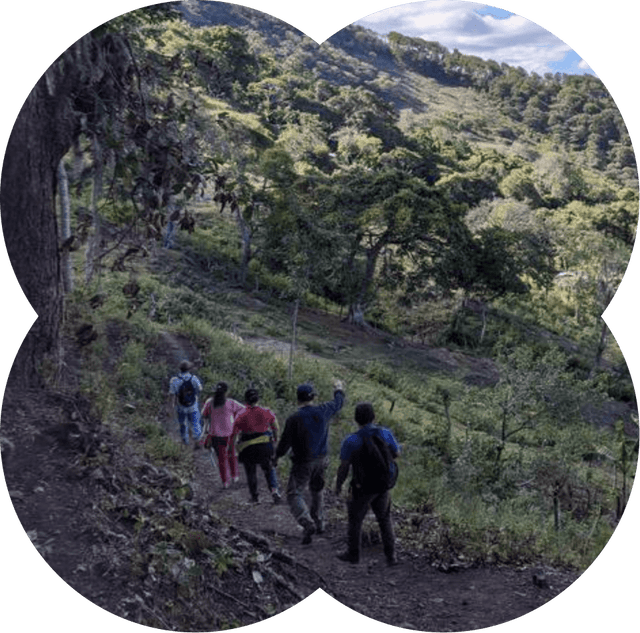
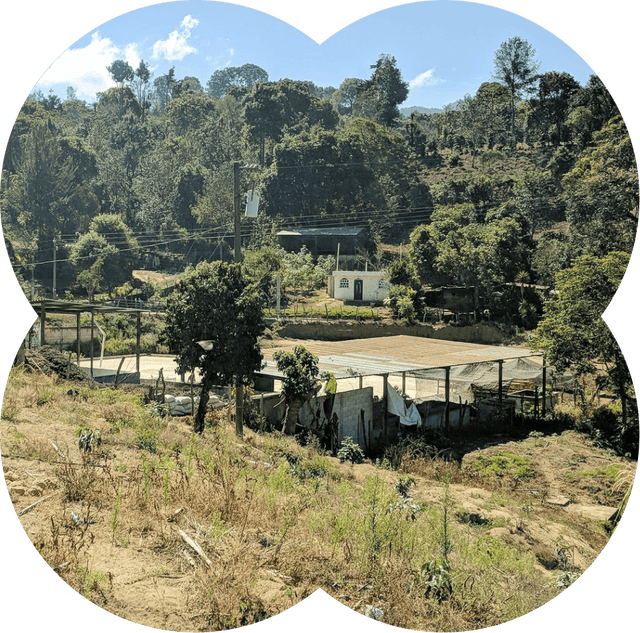

This project will fund the construction of a 'biofactory' producing a range of organic inputs and foliar applications for cooperative members. In particular, 30 smallholders wil be selected for training in the production and application of these organic inputs to help them obtain organic certification.
The project aims to strengthen food security and improve economic outcomes and minimize environmental impacts in the community through backyard poultry farming and installation of fuel-efficient wood-burning stoves. The priority of these investments would be in 20 women member homes.
This project will distribute solar kits to 118 coffee families who currently do not have electricity. This will reduce costs for obtaining other sources of lighting and raise household productivity.
Sustainability projects at Cafes
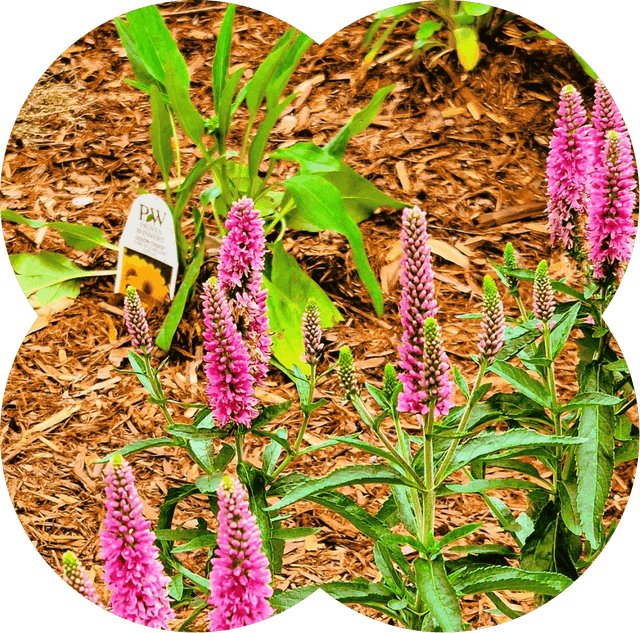

Nook and Nowhere planted a pollinator garden on their back patio. This will help contribute to a local initiative that increases the population of native plants in the neighborhood. With this grant, they replaced non-native plants with native Kentucky plants and pollinators. This will create a more natural landscape and will help prevent soil erosion and maintain shady tree coverage. By planting a pollinator garden, Nook and Nowhere aims to show other local businesses that it's possible to have a more sustainable, native planting scheme on their patios without losing the beauty and charm of the space.
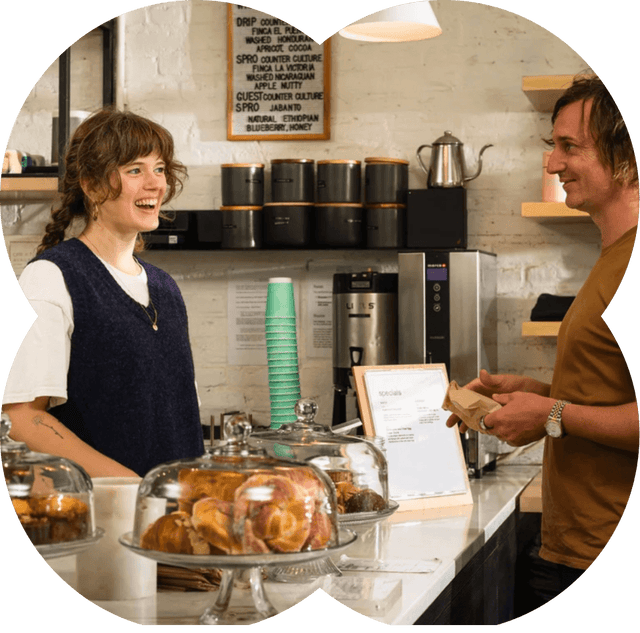
Merriweather Coffee + Kitchen purchased a pair of Birkenstock Profi Birki 2.0 Clogs for each of their 16 team members. These shoes are both supportive and environmentally sustainable. Supportive footwear helps alleviate the strain of standing through long work days and has a positive impact on the overall health of employees. Hospitality also takes a toll on footwear - most employees have to replace their shoes 2-3 times a year. By investing in quality footwear, Merriweather is cutting down on shoes that would otherwise end up in a landfill.
Dreamhouse Restaurant was awarded a Bloom grant to maintain and expand their filtered air initiative. In 2024, Dreamhouse built and installed three full sized Corsi-Rosenthal (CR) boxes in their dining room as well as a smaller CR style filter for their restroom. These filters provide a significant measure of mitigation against airborne disease transmission and the filter media must be regularly replaced to maintain efficacy. This is greatly appreciated by Covid-conscious guests and staff. The Bloom grant will allow Dreamhouse to add filters for back-of-house areas and further protect their communities throughout the year.
Sustainability projects for Employees
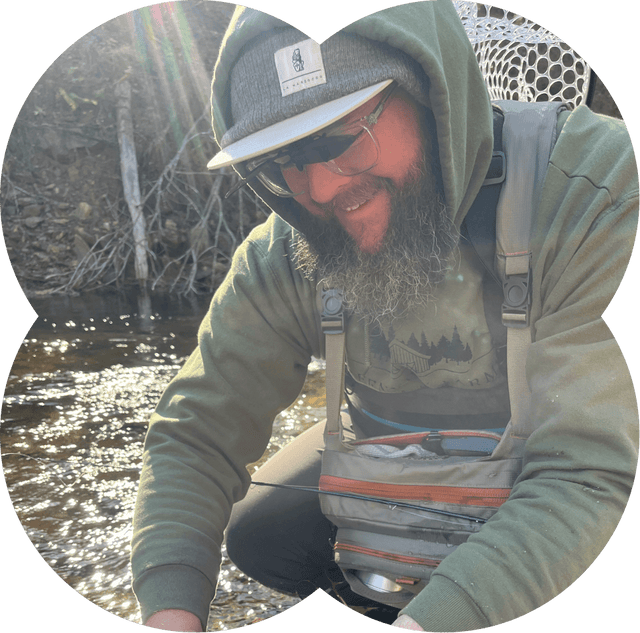

I started fly fishing last year and was able to take my first trout fishing trip to Western North Carolina with a close friend. I love being able to pursue a hobby that gets me outside and takes me into some of the most beautiful places I've ever been!
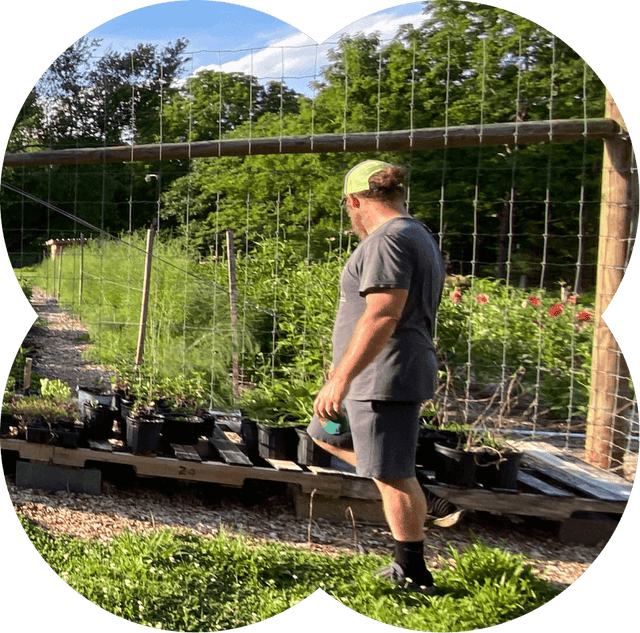
I used my IncentFit benefit to purchase a CSA from Farmborough which is owned and operated by CCC's own Ethan Fogleman and his wife Jess in Hillsborough, NC. The weekly share included farm fresh organic vegetables, fruit and flowers, as well as honey from a neighboring farm. I also purchased a bike repair stand which has helped my wife and I maintain our bikes and ride more frequently.
I used my benefits to purchase a gym membership, yoga membership, and a Fitbit. I specifically chose the Fitbit because it stays charged for up to 10 days, monitors key health metrics, and reminds me to stand up and move during days when I'm at my computer. I also appreciate that it does not notify me of calls or texts, which helps me maintain better work-life balance when I'm trying to disconnect


Where and how we operate also reflects our commitment to sustainability and providing value to our customers.

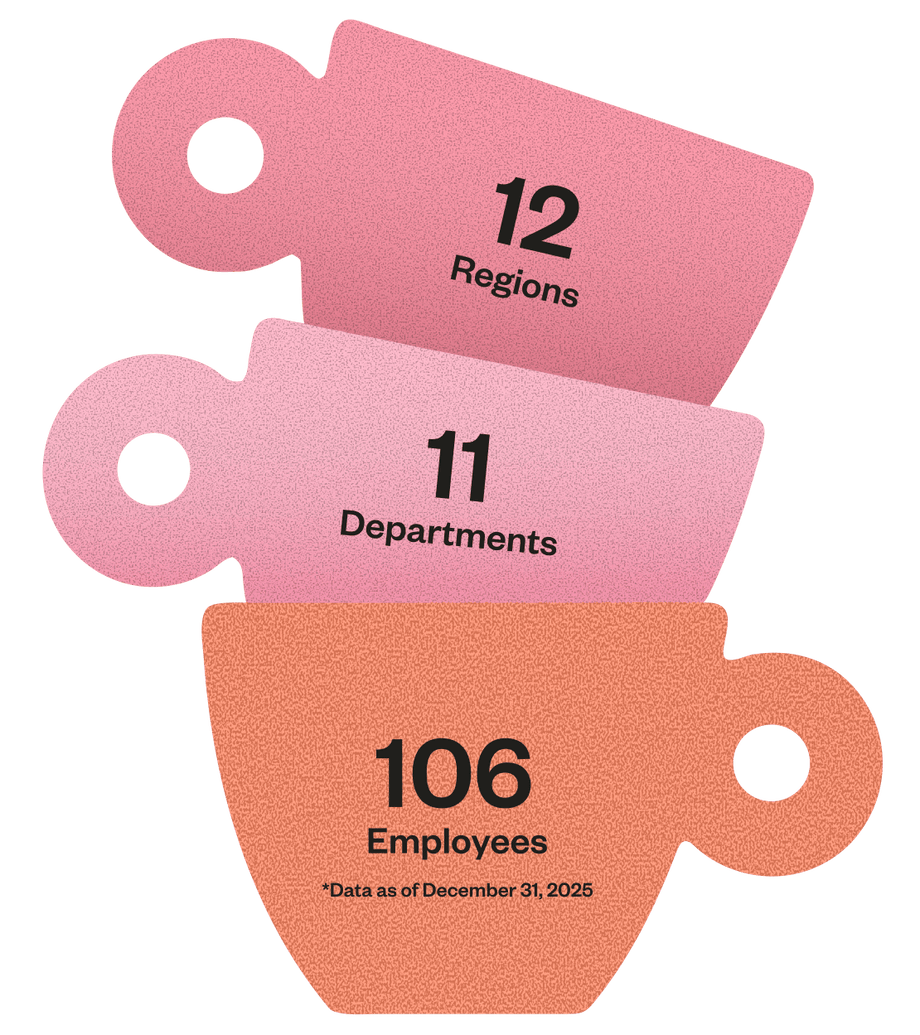
Counter Culture Coffee operates two roasting facilities and 12 Training Centers across the United States. Roasting in two geographic locations reduces our nationwide shipping footprint.
Our Training Centers, staffed by local teams, are education centers and gathering spaces for coffee communities. In 2025, we taught approximately 2,617 hours of classes, hosted 10,848 guests through our weekly Tasting at Ten public events, and provided 4,758 hours of equipment service for our wholesale partners.
Our commitment to education helped people build skills, businesses, and an appreciation for the everyday luxury of coffee.
HQ, Training Center & Roastery
Training Center & Roastery

Training Center

Training Center

Training Center

Training Center

Training Center

Training Center

Training Center

Training Center

Training Center

Training Center

In November of 2025, we reopened our Atlanta Training Center at a new location in the Grant Park neighborhood!

“The learning from my classes in Spanish has allowed me to gain more specific knowledge, and it has also given me the necessary tools and strategies to develop further and carry out my work with greater accuracy at Caracas Bakery, since proper instruction was necessary for such a high-demand environment.
The education in Spanish and English at the Miami headquarters is of excellent quality and is supported by an outstanding team.”

“Counter Culture Coffee's Tasting at Ten is nearly the greatest thing to happen to my coffee experience. It's second only to discovering coffee itself.”

“In the past three months, I have attended three educational classes, and two community Tastings. Colin and Sam are both knowledgeable and hospitable. Their depth of knowledge and experience gives weight to the classes, but their hospitality makes that knowledge accessible.
I also really appreciate how Colin and Sam interact with the regulars at the coffee tastings. They do a great job of building community and educating the consumer. I'm inspired to be better at my own job.”
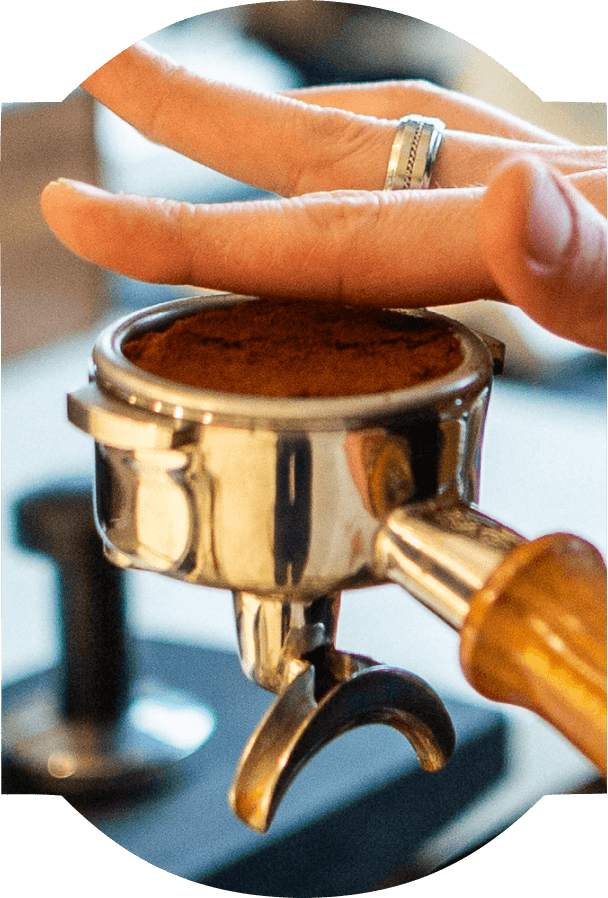
125 Workshops Taught

105 Workshops Taught
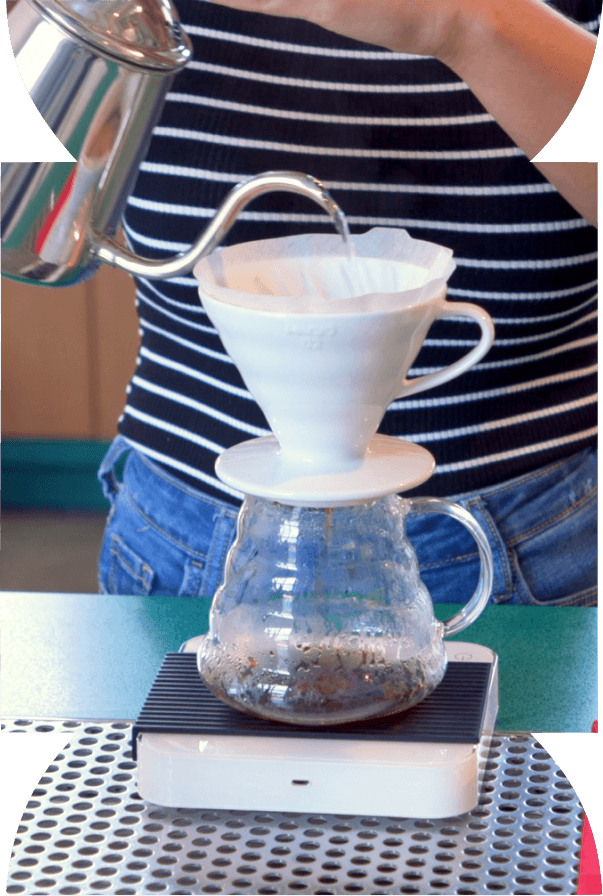
40 Workshops Taught
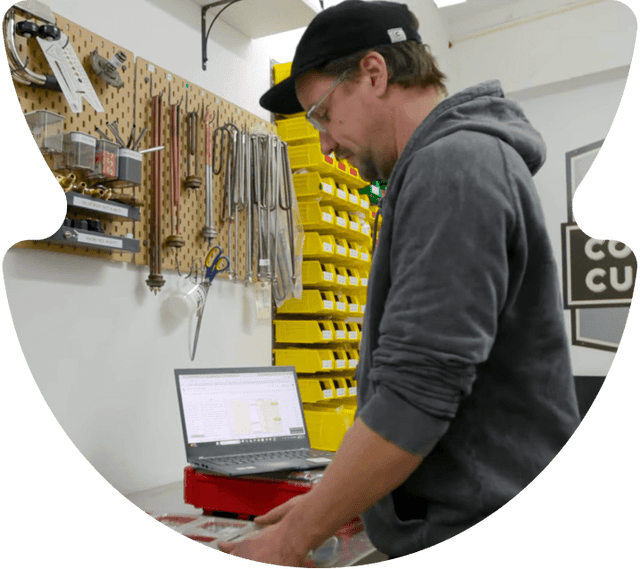
Exceptional coffee experiences rely not only on sourcing and training, but also on dependable equipment performance behind the bar.
Our Technical Services team supports cafés and partners through preventative maintenance, equipment calibration, troubleshooting, and on-site servicing to ensure machines consistently operate at their best.
Every business must account for three fundamental realities: what it produces, what it consumes, and what it wastes. Over the past 15 years, measuring our carbon footprint has helped us better understand the environmental cost of our operations, and reporting our financial performance provides context for what we produce economically.

Our largest source of carbon emissions continues to be the natural gas required to power our roasting equipment.
Currently, commercial roasting technology lacks viable electric or solar alternatives capable of sustaining even medium-scale production capacity.
The second-largest contributor to our carbon footprint is shipping coffee to customers, and we address this by consolidating shipments whenever possible.
*Data reflects 2024 GHG usage, 2025 data coming soon.

Green coffee packaging—burlap sacks and GrainPro bags—is recycled. The chaff from our roasters is composted.
Where renewable electricity options exist, we purchase energy credits to offset consumption, and we offset our total carbon footprint through a partnership with Trees, Water & People, an organization that trains local artisans to manufacture and install clean cookstoves in rural Honduran communities.
From clean cookstoves to coffee donations, these initiatives help reduce emissions while supporting local communities and long-term sustainability efforts.

Our largest expenses remain green coffee and employee wages and benefits. We view cost discipline as part of sustainability, recognizing that reducing waste helps prevent unnecessary price increases to customers while ensuring that more resources can be directed toward employees, producers, and operational improvements.


The top three expense categories—Green Coffee, People, and Shipping—together account for 78% of total costs.
All remaining expense categories combined account for the remaining 22% of total costs.

In July 2025, our Senior Director of Operations, RT Pranshke, passed away unexpectedly. This was a devastating loss for our team, particularly for those on the roasting and production teams who worked with him every day. In his year with us, RT brought not only incredible skill and dedication to his role but also a warmth, kindness, and generosity that touched us all.

He was known for his quick wit and his ability to be a quiet, compassionate listener whenever needed. We miss him dearly and dedicate this year's report to his memory.
In his honor, we encourage you to share your PB&J with a colleague and consider a donation to your local cat shelter—this would have truly made his day. <3
We believe coffee is better when the people who grow it, roast it, brew it, and drink it understand one another a little more. We hope this report gives you a clearer picture of the choices we make and the values that guide us.
If you have questions, feedback, or ideas about anything you've read here, we'd love to hear from you. Your perspective helps us continue learning and improving. Get in touch with us at hello@counterculturecoffee.com
Wherever you are on your coffee journey, thank you for being part of it.


